|
ROCKWiRED
NEEDS YOUR SUPPORT!!!
FOR FiVE YEARS ROCKWiRED HAS PROViDED EXCELLENT MUSiCAL REPORTAGE AND WOULD APPRECiATE ANYTHiNG THAT YOU CAN GiVE!!! ADVERTISEMENTS RELATED LiNKS: WWW.SONARPiLOT.COM OTHER ARTICLES:  BERLiN  FiNAL GRAViTY  SCARLET SiNS  THE WAiLERS  THE HOOTERS  LUCiANA SOUZA  FACE TiME POLiCE  THE BELiEVERS 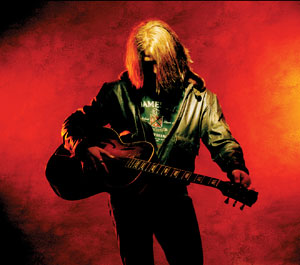 JOETOWN  THE MOTELS |
ROCKWiRED iNTERViEWS:
SONARPiLOT
iT'S FULL OF STARS MiCHAEL MOPPERT OF SONARPiLOT TALKS TO ROCKWiRED ABOUT THE DOUBLE CD MOTHERSHiP RETURNiNG TO MUSiC AFTER TWENTY YEARS AND THE ADVANTAGES AND DiSADVANTAGES OF MUSiC MAKiNG iN THE DiGiTAL AGE  APRiL 21,
2010 APRiL 21,
2010iNTERViEWED
BY BRiAN LUSH
A double CD release may seem a bit much for a debut from a new artist but for SONARPILOT, ‘MOTHERSHIP’ is more than a debut. It is a return to music making after spending the better part of twenty years in the corporate world as the CEO of a software company in
In
a way the release of MOTHERSHIP is sort of signaling your return to the
music
end of the spectrum as opposed the corporate world? Is that why you've
title
the album MOTHERSHIP? What
made you want to
step away from music and pursue the real job? Frustrations? No, that was a rather organic development. In the early nineties I was doing a number of things in parallel. One of the projects was a technology startup. With the internet boom that venture took off and soon I was spending more time on planes and airports than in the studio. It was a crazy time, very interesting and intense and left no time for anything else. And before I knew almost 20 years had passed. It was quite a journey, extremely interesting and I learned many things along the way. I am glad I had the opportunity to do all this. But now I am really happy that I am back making music!
What
music influenced you? Given the sound
and feel of MOTHERSHIP - it seems like You’re
right - Is
it fair to say that your desire to want
to record your own music stemmed from recording other artists at that
16 track
studio that you opened up in It was
actually the other way round: I wanted to have access to a professional
studio
environment. That was expensive. So the only way to get there was to
open a
studio and finance it by recording other bands. You have to remember:
In those
days decent equipment was extremely expensive. It was all still analog,
with
huge mixing desks and multitrack tape machines. Home recording
equipment was ok
for a quick demo tape – but if you wanted to produce something even
semi-professional you had to go to a studio. Today I am of course
extremely
glad that I have that experience from the recording studio. Else I
wouldn’t
know how I’d cope with the complexity of today’s sound recording
software In returning to music after fifteen years,
what are your thoughts on the technology that has changed? Well, first
I was completely blown away when I saw what you get today for very
little money.
I remember when we bought our very first digital reverb machine to
replace our
old analog spring reverb in the studio, probably 25 years ago, we paid
about
$10’000 for that thing. And that was just one effect box… Today you can
buy
everything you need to make a professional recording for less than the
cost of
that single box. This has profound consequences: You don’t need an
expensive
studio to produce your music. Plus you can distribute your stuff for
next to
nothing globally via itunes and many other platforms. That means you no
longer
need a label to finance your record and distribute it. This shift opens
up
wonderful new opportunities for talented musicians. There is of course
also a
downside: As the technology has become so cheap we have millions of
people who
fiddle around with this technology. It’s pretty easy to cobble
something
together that does sound acceptable. You don’t even have to play
anything
yourself, just buy a bunch of libraries and pre-produced loops and off
you go.
The problem is that the vast majority of that stuff is mind-numbingly
boring.
In the end it still needs a lot of work, dedication and talent to make
music
that is more than acoustic fast food. 20 years ago it was a challenge
for an
artist to get a record deal and the support of a solid label. For the
consumer
it was difficult to find some of the music because it wasn’t widely
available.
Today the challenge is to break through the enormous din of a
never-ending
avalanche of very mediocre material and find your audience, or, as a
music-lover, find artists that you really like. But overall I believe
it’s
great that many people have access to creative technology and I myself
of
course feel like a kid in the candy store! Why
the
name SONAR PILOT? Explain
- if it's
explainable - the creative process. How do you go about composing? MOTHERSHIP
is a double CD. Clearly you had
a lot of mind running through your mind. What songs off of it resonate
for you
the most and why? Hmm,
that’s difficult. I guess they are a bit like kids. They are all
different, but
you like them all. Each track has its own history, its own personality
and – I
hope – it’s own magic. And they all play their part as an element of a
two-hour
soundtrack. It’s a bit like looking through a kaleidoscope: you see
many facets
in unexpected, different colors. All elements together build one big –
and
hopefully interesting - picture. Are there plans at all to release any
promotional videos for any of the songs? I
would definitely love to do a video. The visual component is very
important for
the whole SONARPILOT project. We developed a pretty extensive identity
concept.
SONARPILOT has its own typeface, logo and visual world. The SONARPILOT
website
is very graphical and we work with different key animations for each
track. The
music lends itself to visual interpretation, often it works like a
soundtrack
that lets you create your own images in your head. Now that the CD is
done we
can reach out to visual artists and initiate that part of the project. What
would you like a person to come away
with after they've heard MOTHERSHIP? I
hope people take the music and make it their own personal soundtrack
that
inspires and refreshes their mind and soul and adds an interesting
shade of
color to their life.  BRiAN
LUSH (FOUNDER,
EDiTOR-iN-CHiEF) BRiAN
LUSH (FOUNDER,
EDiTOR-iN-CHiEF)BRIAN
LUSH holds a BA in Creative Writing from the UNIVERSITY OF
NEW MEXICO. He established ROCKWIRED on New Years of 2004 and hasn’t
looked back
since.
From January 2005 to March 2009, LUSH was the host of the weekly
internet radio
show ROCKWIRED LIVE. He produced the program for the AMERICAN RADIO
NETWORK. As
the editor-in-chief for ROCKWiRED MAGAZiNE, LUSH is hands-on when it
comes to
interviewing and building a lasting rapport with the artists that come
ROCKWiRED’s
way. As a youngster, BRIAN LUSH had no idea what kind of seed was being
planted
by reading magazines such as HIT PARADE, HIGH TIMES, SPIN, REQUEST
(remember
that one?) and even ROLLING STONE (but to a significantly lesser
degree).
“Those were the days before the internet and being a rock journalist
looked
like the coolest job imaginable.” says LUSH “But reading these
magazines had me
imagining that one day I’d be the artist giving all of the clever
answers to
some poor guy with a tape recorder. Well, life has a way of surprising
you.
Now, I’m the poor guy with the tape recorder and asking all of the
questions.”
CONTACT BRiAN LUSH
AT: djlush@rockwired.com
GOT
COMMENTS!!! ROCKWiRED
WANTS TO HEAR 'EM!!!
|


